
Why
online
Why Online Physiotherapy
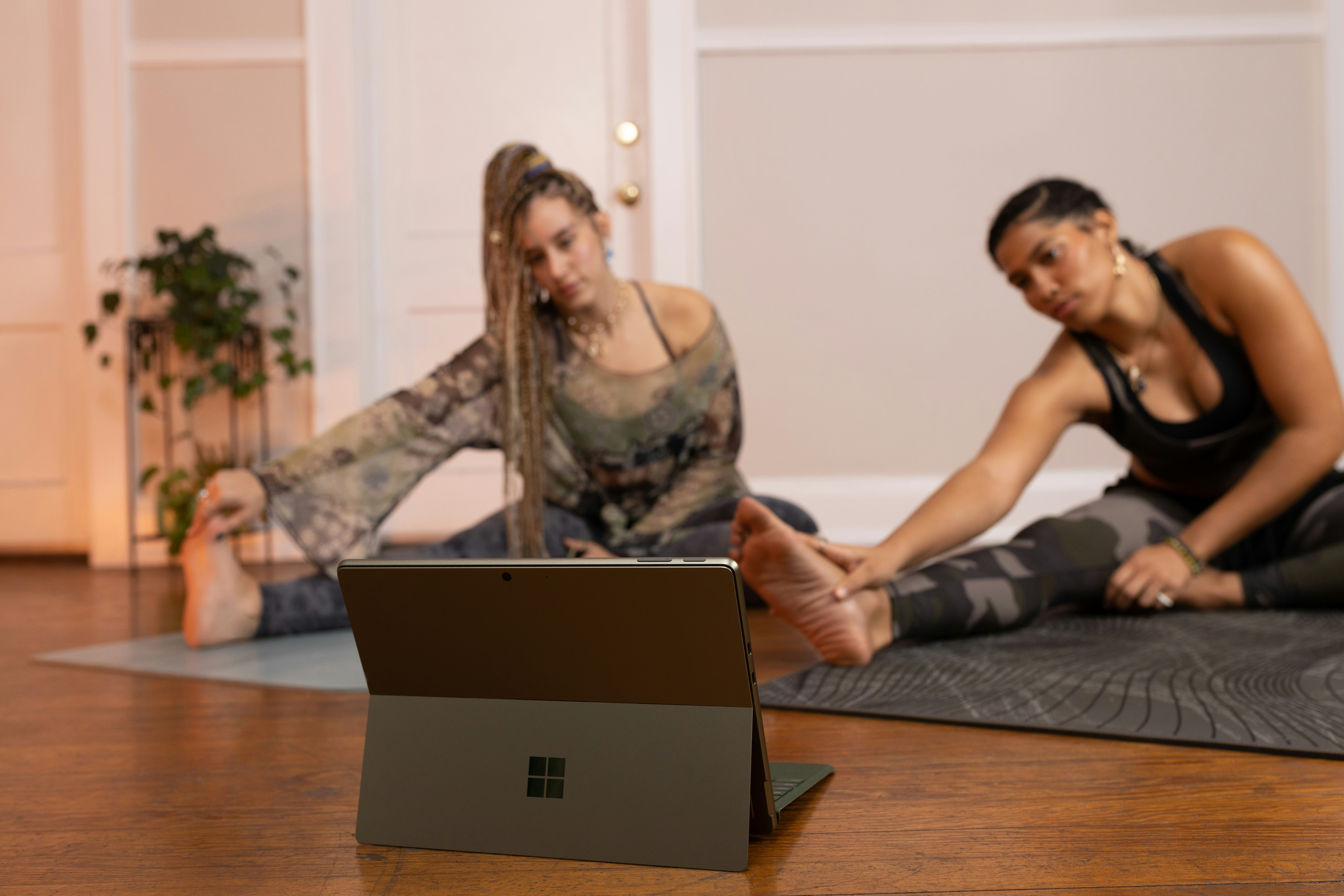
Your online appointment works much the same as an in-person physiotherapy session. You’ll talk through your symptoms, complete simple guided movements, and receive clear advice on what to do next.



Why it works
Most musculoskeletal conditions don’t require hands-on tests to diagnose. Hands-on tests are rarely essential for diagnosis. What matters most is:
understanding when your symptoms started
what makes them better or worse
how they behave day to day
how you move during simple, guided tasks
These details give your physiotherapist the information they need to explain what’s happening and how to improve it. Online sessions focus on the same clinical reasoning used in person, without the need for travel or long waits.
What online physiotherapy can assess
Online physiotherapy is suitable for:
back and neck pain
sciatica and nerve irritation
shoulder, elbow, wrist, hip, knee, and ankle problems
sprains, strains, and activity-related injuries
tendon pain
post-operative recovery
Most people receive a clear diagnosis and plan in their first session.
If your physiotherapist believes imaging or a GP review is needed, they will explain why and guide you through the next steps.

When in-person care might be needed
If your physiotherapist believes imaging, blood tests, or an in-person examination would add important information, they will explain why and guide you on what to do next.
This includes:
arranging or recommending imaging
explaining what the results mean
advising when GP input is appropriate
identifying red flags that need urgent attention
You get clear reasoning and a supported next step, not guesswork or uncertainty.
The benefits of online physiotherapy
People choose online physiotherapy because it offers:
faster access to specialist advice
no travel or waiting rooms
clear explanations you can understand
personalised plans you can follow at home
quick adjustments as your symptoms change
expertise available wherever you are in the UK or abroad
It also works well for people who prefer privacy, flexibility, or appointments that fit around work or childcare.


How online appointments compare to in-person care
Online and in-person physiotherapy follow the same clinical process:
A clear conversation about your symptoms
Guided movements to observe how your body responds
A diagnosis explained in plain language
A personalised plan to help you recover
Ongoing support as your symptoms change
The main difference is delivery, not quality.
Online care makes physiotherapy easier to access without compromising clinical reasoning, safety, or effectiveness.
When online physiotherapy is especially helpful
Online physiotherapy can be a better first step when:
you want fast access without waiting for a clinic appointment
your symptoms change day to day and need regular updates
you prefer to complete exercises at home
travel or work commitments make in-person visits difficult
symptoms worsen with sitting or driving
you live outside the UK but want UK-registered care


When online physiotherapy is not the right option
Some symptoms need urgent or in-person medical care.
If your physiotherapist identifies signs that a scan, GP review, or emergency care is required, they will advise you on the safest next step.
For full guidance, see When Physiotherapy Isn't Appropriate.
When online physiotherapy is especially helpful
Online physiotherapy can be a better first step when:
you want fast access without waiting for a clinic appointment
your symptoms change day to day and need regular updates
you prefer to complete exercises at home
travel or work commitments make in-person visits difficult
symptoms worsen with sitting or driving
you live outside the UK but want UK-registered care